As we step into a new year, many of us reflect on what we want more of — more energy, more clarity, more calm, more presence. And for a growing number of people I talk to, brain health is becoming part of that conversation.
Not from fear… but from empowerment.
Changing your relationship with alcohol can be I’m not necessarily talking here about giving up alcohol forever (unless you want to). It’s about exploring the benefits of a booze break — changing your relationship with alcohol in a way that supports your brain, your body, and your future. We looked at taking a booze break for general health in a blog post in early 2024. Today, I’m thinking more specifically about brain health.
Because when it comes to dementia and Alzheimer’s prevention, small changes really can make a meaningful difference.
Why are we talking about brain health now?
Dementia is rising globally. In Australia, it’s now the leading cause of death, and Alzheimer’s disease remains the most common type. While age is the biggest risk factor, we now understand that cognitive decline doesn’t appear overnight — it’s often the result of multiple overlapping drivers: inflammation, metabolic dysfunction, vascular changes, poor sleep, nutrient depletion, toxin exposure, and more.
This is the foundation of a functional medicine and ReCODE-style approach: dementia isn’t usually one problem — it’s a network problem.
And alcohol affects many parts of that network.
The shifting science: alcohol and brain health
For decades, we were taught that “a little wine is good for you.” But newer research is challenging that story.
The World Health Organization (WHO) has stated that no level of alcohol consumption is safe for health, because risk begins from the first drink. They also emphasise that alcohol is a toxic, psychoactive, dependence-producing substance, and is classified as a Group 1 carcinogen (the same category as tobacco and asbestos). No level of alcohol consumption is safe for our health
And when it comes to dementia?
A large 2025 study published in BMJ Evidence-Based Medicine found alcohol use was associated with dementia risk — and when genetic methods were used (a method that helps reduce bias), there was no evidence that light drinking is protective. The “light drinking is good for you” story may partly be explained by confounding factors and people reducing alcohol due to early health changes. BMJ Evidence-Based Medicine+1
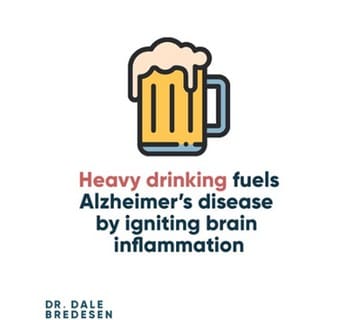
Another study published in ‘Neurology’ in April 2025, demonstrated an association with heavy drinking (around 8+ standard drinks per week) and increased brain injury and progression-related changes in Alzheimer’s pathology. American Academy of Neurology: Neurology Resources | AAN
So while this isn’t about becoming afraid of every sip — the overall trend is clear:
Alcohol is not a health food for the brain.
Why alcohol can fuel cognitive decline.
From a functional medicine standpoint, alcohol can influence several of the same drivers we see repeatedly in cognitive decline.
1) Brain inflammation and oxidative stress
Alcohol increases inflammatory signaling and oxidative stress. Over time, this can activate microglia (the brain’s immune cells), driving the chronic neuroinflammation we often see in cognitive decline.
2) Blood sugar dysregulation and insulin resistance
Alcohol can disrupt blood sugar regulation, increase cravings, and reduce insulin sensitivity. In the cognitive health world, insulin resistance is a major risk factor (sometimes referred to as one contributor to “Type 3 diabetes” in Alzheimer’s).
3) Sleep disruption (even if you “fall asleep easily”)
Alcohol may make you feel drowsy, but it reduces deep sleep and REM sleep — the stages most critical for memory, mood regulation, and brain repair. Poor sleep also disrupts the glymphatic system: your brain’s overnight “cleanup crew.”
4) Gut inflammation and microbiome disruption
Alcohol can increase gut permeability and disrupt the microbiome, driving inflammation that can travel directly to the brain through the gut-brain axis. Your gut is not separate from your brain — it’s one of the major upstream regulators of brain inflammation.
5) Nutrient depletion
Alcohol interferes with absorption and increases depletion of nutrients essential for cognitive protection, including:
• B vitamins (especially B1, B6, folate, B12)
• magnesium and zinc
• antioxidants (particularly glutathione)
These nutrients are key for methylation, detoxification, neurotransmitter production, and neuronal repair.
Why some people are more sensitive: genes can play a part
This is where the ReCODE approach becomes empowering: risk is personal.
APOE status
If someone carries the APOE4 gene, they may be more sensitive to inflammatory triggers, oxidative stress, and metabolic disruption. APOE4 isn’t a diagnosis — it’s a susceptibility pattern. And for many APOE4 carriers, reducing alcohol can be a particularly high-impact prevention strategy.
Detoxification genetics
Many people also have genetic variations affecting detox pathways (GSTTI, GSTMI, CYP2C19/2A6 MTHFR, FUT2, COMT etc.). For them, alcohol may produce a stronger inflammatory “hangover” effect — creating stress, not just in the body, but in the brain.
Metabolic health and insulin management genetics
Although our genetics don’t dictate our outcomes, they can play a big role in understanding how our body responds to diet and lifestyle and our risk of developing insulin resistance.
This isn’t about blame. It’s about being informed and empowered.
So… what does a “booze break” actually look like?
A booze break is not a punishment — it’s a reset.
Some gentle, realistic options:
- a few weeks off, twice a year
- drinking once a week
- only on special occasions
- alcohol-free weekdays
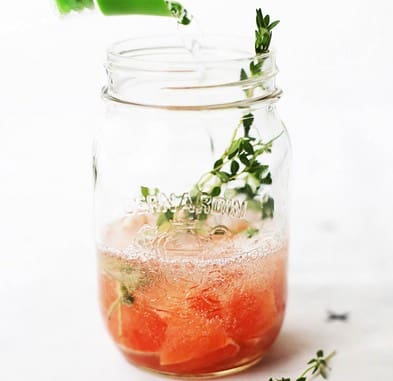
- lower-alcohol swaps (spritzers, lighter pours, alcohol-free alternatives)
It’s not about perfection.
It’s about intention.
What benefits might you notice?
Many people notice changes within 2–4 weeks, such as: clearer thinking and better word recall, more stable mood and less anxiety, deeper sleep and improved energy, reduced cravings for sugar and processed foods, less bloating and inflammation, improved motivation and focus. This is your brain responding to reduced inflammatory load.Your invitation for 2026
If alcohol is part of your winding-down or a reward after a big day, that makes sense — we’re human, and we all seek relief. The question isn’t “why do I drink?” but: “What is my brain asking for?” Rest? Connection? Calm? Hydration? Nutrition? A nervous system exhale? When we meet those needs directly, alcohol often becomes less automatic. So if you want a meaningful New Year reset without harsh rules, try this: The 14-Day Booze Break for Your Brain For two weeks:- pause alcohol
- prioritise sleep
- add one brain-supporting habit daily (walk, sunlight, protein breakfast, hydration, magnesium, more plants)