There’s a particular quality to light in winter that I’ve come to love. It arrives later, leaves earlier, and asks for nothing in return. I notice it most in the mornings that reluctance to leave a warm bed before the sun has committed to rising, the kettle going on a little earlier than usual, a hug in a mug with ginger and warming spices stirred through before anything else. I’ve started to wonder, somewhere between my own slowing down and watching it happen in the people across from me in clinic, whether winter isn’t a season we tolerate until spring, but something closer to an invitation. One most of us have forgotten how to accept.

The Body Was Never Built for Constant Alert
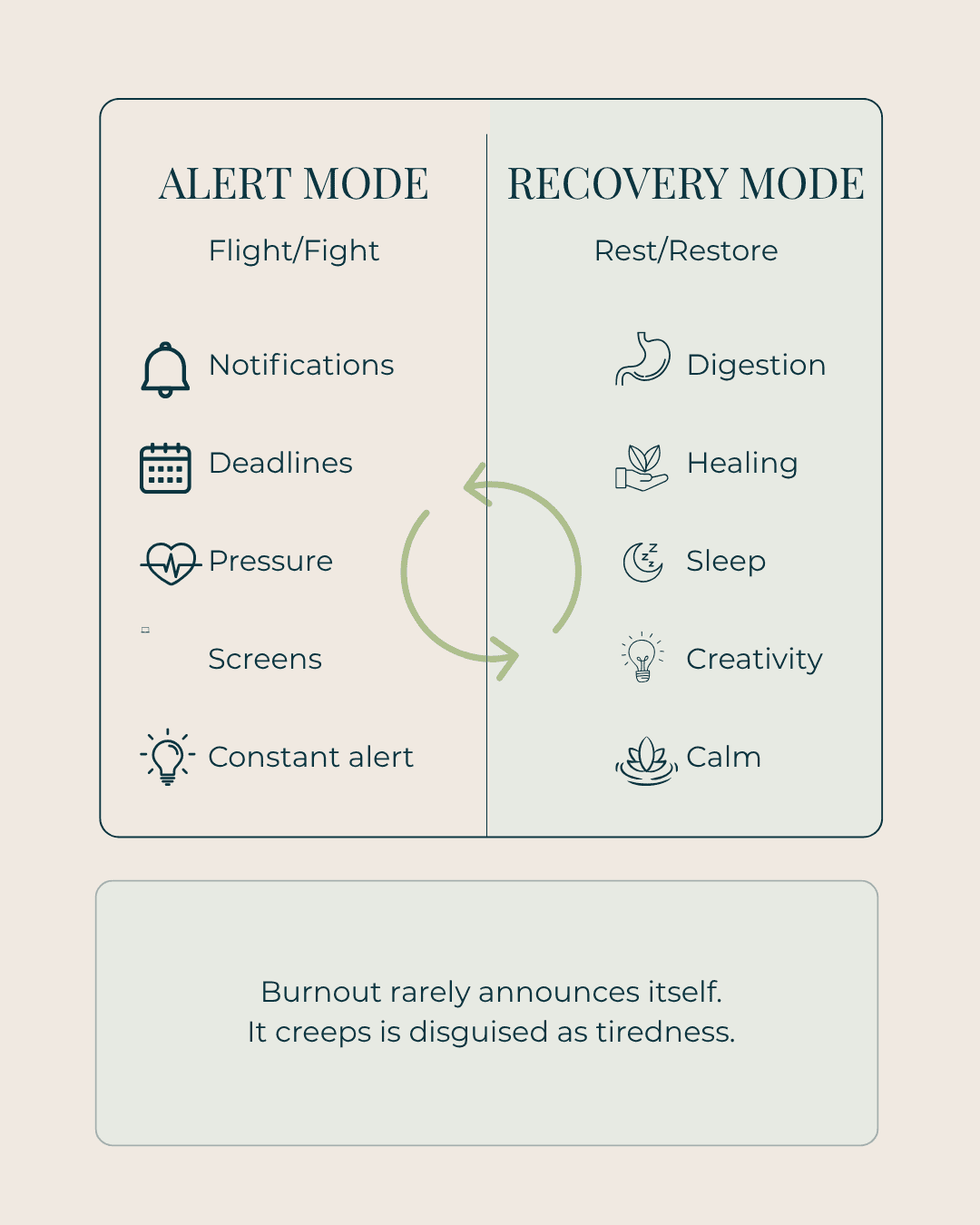
Your nervous system was designed to move between two states. One is alert sharp, fast, ready to respond. The other is restorative slower, quieter, the state in which your body does its repair work. Digestion improves, immune function strengthens, tissue heals. None of that happens while you’re switched to alert.
The trouble is that most of us live almost entirely in the first state. Notifications, deadlines, the low hum of always being reachable none dramatic enough to register as a crisis, yet the body doesn’t always know the difference between a genuine threat and the accumulated pressure of a life that never switches off. Burnout, when it arrives, rarely announces itself. It creeps in disguised as tiredness you assume a good weekend will fix. Then the weekend comes and goes, and the tiredness is still there.
This isn’t experienced equally by everyone, either something I think about often in my own work with genomics. Some people are wired to feel stress hormones more intensely than others, and to take longer clearing them once the stressor has passed. If you’ve ever needed more recovery time than those around you, there’s a reasonable chance that’s not a personal failing. It might just be biology asking for what it needs. I include myself in that.
Where We Hold What Isn’t Being Processed
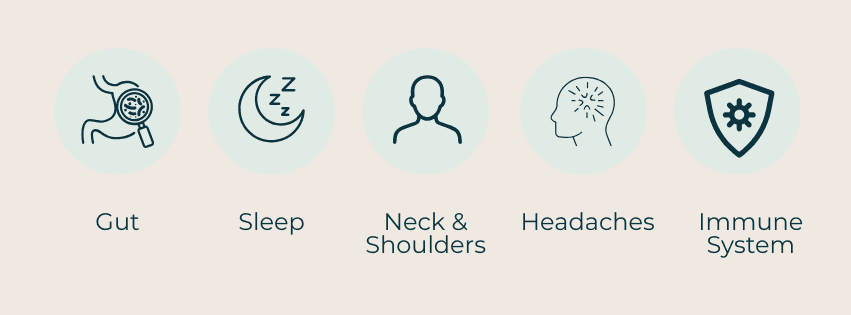
For some, it’s the gut. For others, sleep goes first. For many, it’s the neck and shoulders and winter tends to make that worse, since the cold makes us shrug, tense, curl inward, tightening things further.
Warm baths and a good scarf are genuinely useful here, not a nice-to-have but something closer to maintenance. Chiropractor and osteopath visits tend to increase through these months for many of my patients, and a local sauna session does wonders too heat is medicine, in winter especially. If any of that sounds familiar, treat it as a signal rather than background noise.
Slow, Textured Things
Relief comes from activities that ask the hands to do something simple and repeatitive while the mind goes quiet. Not about producing something impressive just about coming back into your body.
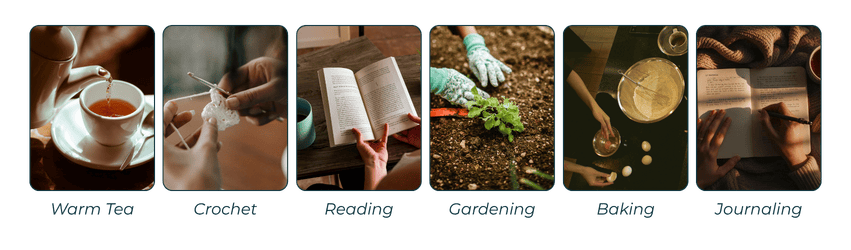
When your hands are busy with something slow and your mind is quiet, your nervous system finally gets the message: it’s safe to stand down.
The Evening Matters Most
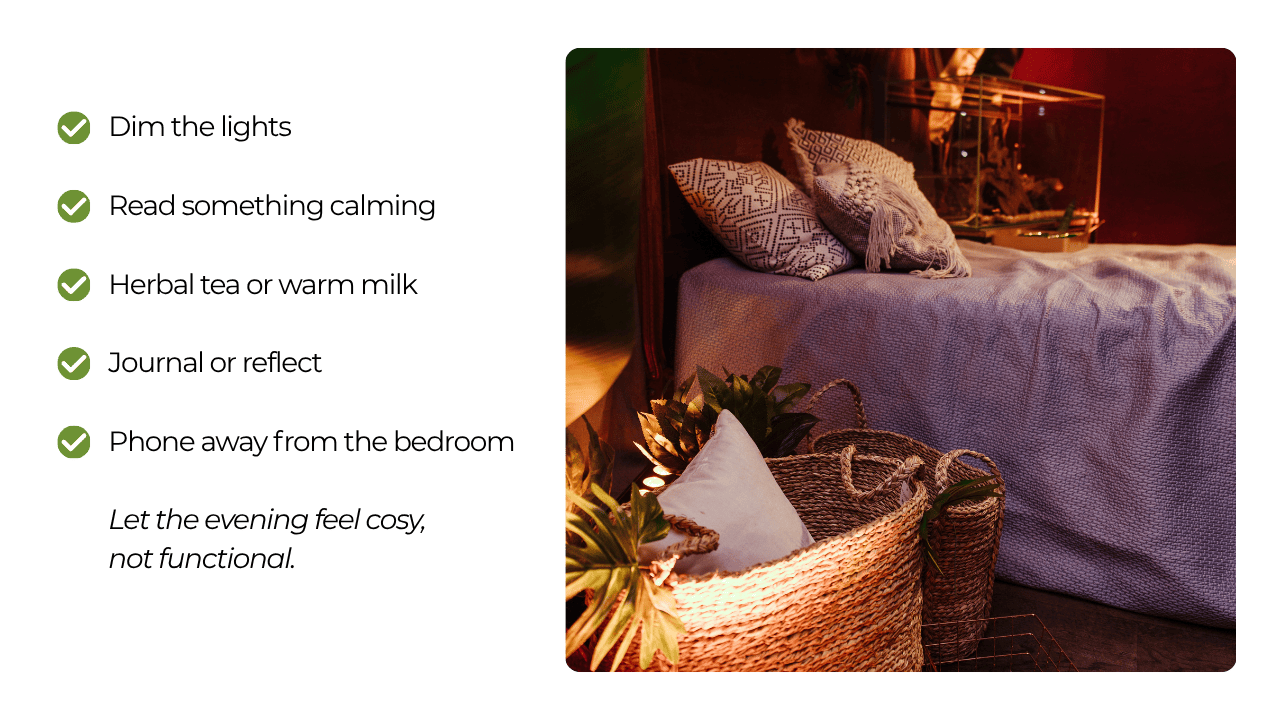
The hour or two before bed has become the most stimulating parts of many people’s day. Protect even half an hour as a low-light, low stimulation window.
Move in Ways That Nourish
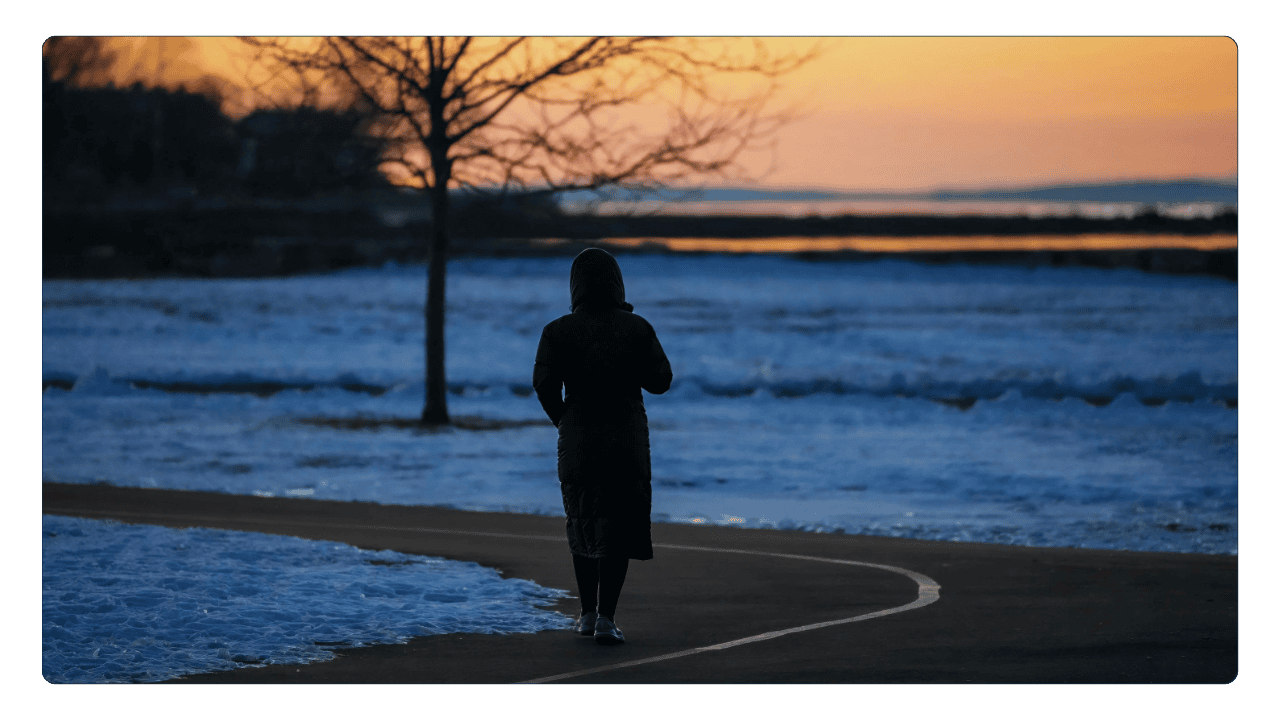
Winter doesn’t always call for high-intensity. A walk in the fresh air, a strech, some yoga, time in nature, these simple rythms are medicine.
Continue Your Journey
Explore these resources to support your health and wellbeing this winter.

How to Love Journalling
Discover practical tips to help you build a journalling habit, even if you’ve never considered yourself a writer.
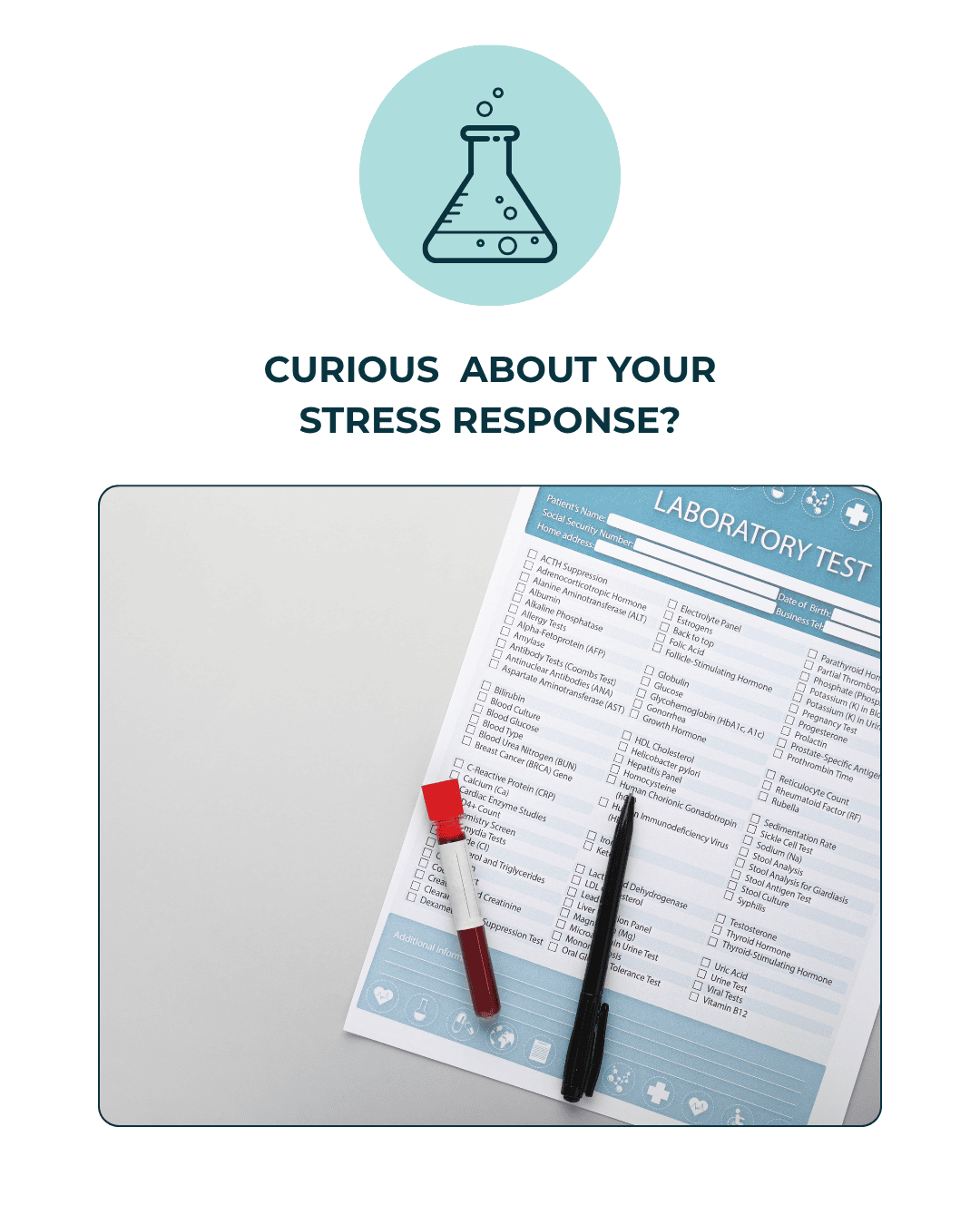
If you’re experiencing fatigue, poor sleep, or feeling “wired but tired”, a cortisol profile can provide valuable insight into how your body is responding to stress.

Why Zebras Don’t Get Ulcers
By Robert Sapolsky
An engaging look at why chronic stress affects our health and what we can learn from nature about recovery.

What’s your slow textured thing this winter?
Maybe it’s:
- Reading by the fire
- Gardening
- Baking bread
- Journaling
- Crochet
- A quiet walk Outdoors
Share it with us or reply to our newsletter. We’d love to know what’s helping you slow down this season.
Personalised care. Practical Solutions. Sustainable wellbeing.