This March, as we celebrate International Women’s Day, I find myself reflecting on the brilliance of women who paved the way for us. We stand on the shoulders of Australian giants: pioneers like Professor Elizabeth Blackburn, whose Nobel-winning work on telomeres gave us the blueprint for cellular longevity, Prof. Fiona Wood, famous or her ‘spray on skin’ for burns, and Professor Fiona Stanley, who taught us that health is a lifelong story.
While these women conquered the heights of science, it’s sad to know that clinical research into the menopause and beyond years remained surprisingly sparse and underfunded until very recently. For too long, the ‘Second Act’ of a woman’s life was not well supported. But today, fuelled by the legacy of these pioneers, we are finally stepping out of the shadows. We are moving away from a time of ‘making do’ and toward an era of precision menopause care—where we treat the woman, not just the date on the calendar.
Understanding the Map: Peri, Meno, and Beyond
To move forward with confidence, we must first understand where we are on the map.
This journey is not a single event, but a profound transition:
- Perimenopause: The years—often up to a decade or more—leading up to the cessation of periods. It
is a time of hormonal flux that can affect everything from mood to metabolism. - Menopause: This is actually a single day in a woman’s life: the 12-month anniversary of her last
menstrual period. - Post-menopause: Every day that follows that anniversary.
Thanks to our increasing longevity, women now live an average of 85.4 years. Meaning that for many of
us, the post-menopausal years will represent nearly half of our lives. It is a long, significant chapter that is
too often forgotten once the fertile years have passed. But being past those years doesn’t mean we
should fade into the background; it means we are entering a phase where our health requires a new,
sophisticated level of mentorship.
The Hormonal Compass
Even though our reproductive mission has changed, our bodies still crave the protective benefits of hormones. Oestrogen and progesterone are not just for making babies; they are critical for brain function, cardiometabolic health, skin elasticity, and stress resilience.
Whether we choose botanical supports to modulate our receptors or exogenous bio/body-identical sources, maintaining hormonal harmony is key to longevity. This support helps us maintain the “glow” of vitality and the cognitive sharpness we need to continue making our mark on the world.
The Cardiometabolic Shift
As we enter this phase, our internal “software” undergoes a metabolic shift. Without the protective buffer of hormones, many women face:
- Rising cholesterol levels and shifts in lipid profiles.
- Increased insulin resistance, making blood sugar management more complex.
- A rise in inflammatory markers that can affect joint health and energy.
Understanding this shift isn’t about restriction; it’s about precision. It’s why I focus on an integrated approach that combines medical insights with naturopathic wisdom.
Infrastructure: Bone, Muscle, and Resilience
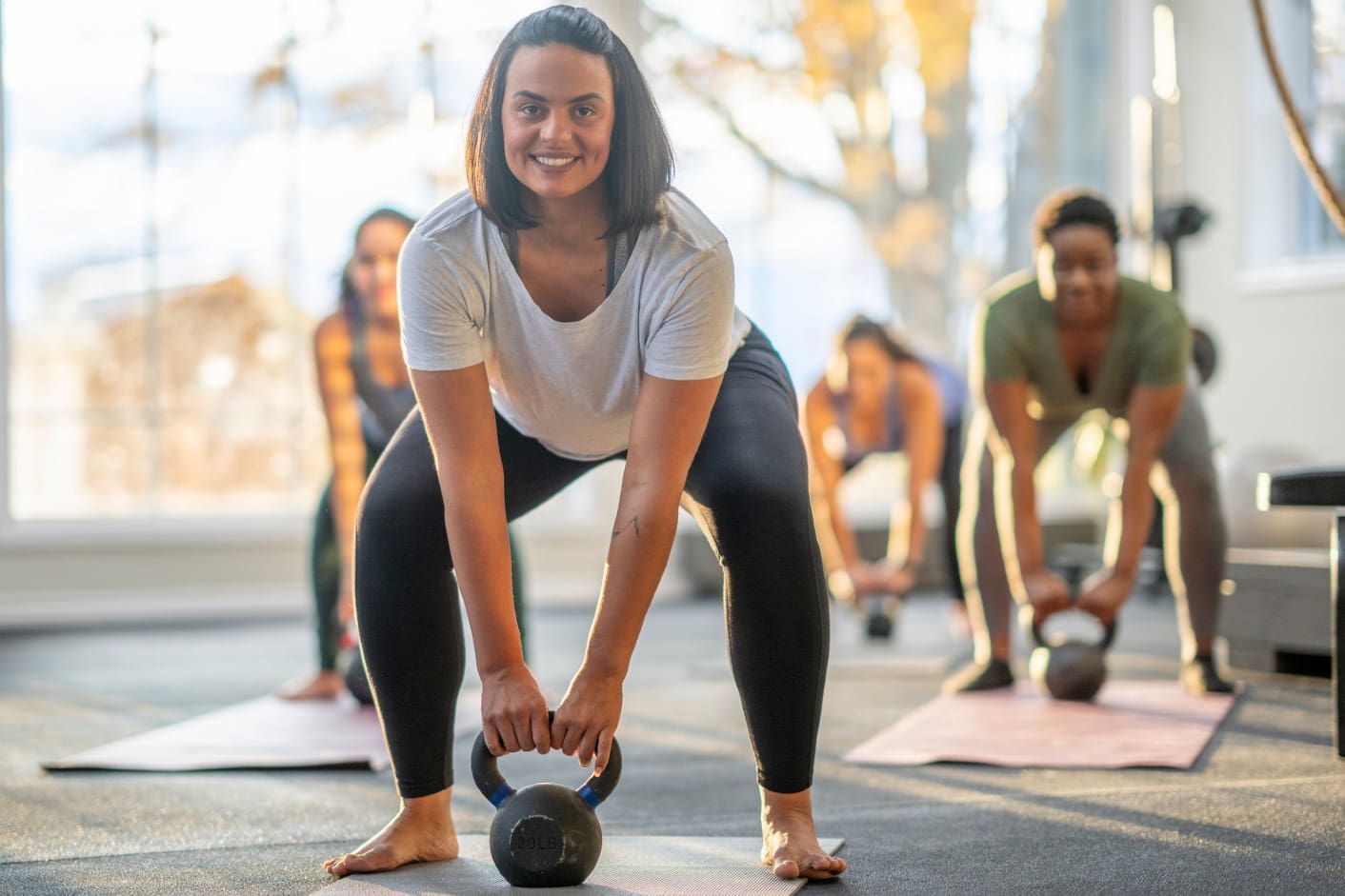
If we want to remain the CEO of our own health, we must invest in the infrastructure. In this new chapter, resistance movement and protein aren’t just “fitness goals”—they are the non-negotiable biological requirements for skeletal strength and hormonal resilience.
- Bone Health: Post-menopause is a critical window for preventing bone density loss. Weight-bearing exercise tells your bones they need to stay strong.
- Muscle & Metabolism: Adequate protein is the building block for the muscle mass that protects our joints and keeps our metabolism burning bright.
- Testosterone & Drive: Maintaining muscle mass also supports healthy testosterone levels, which are vital for motivation, focus and libido.
The Gut-Brain Connection
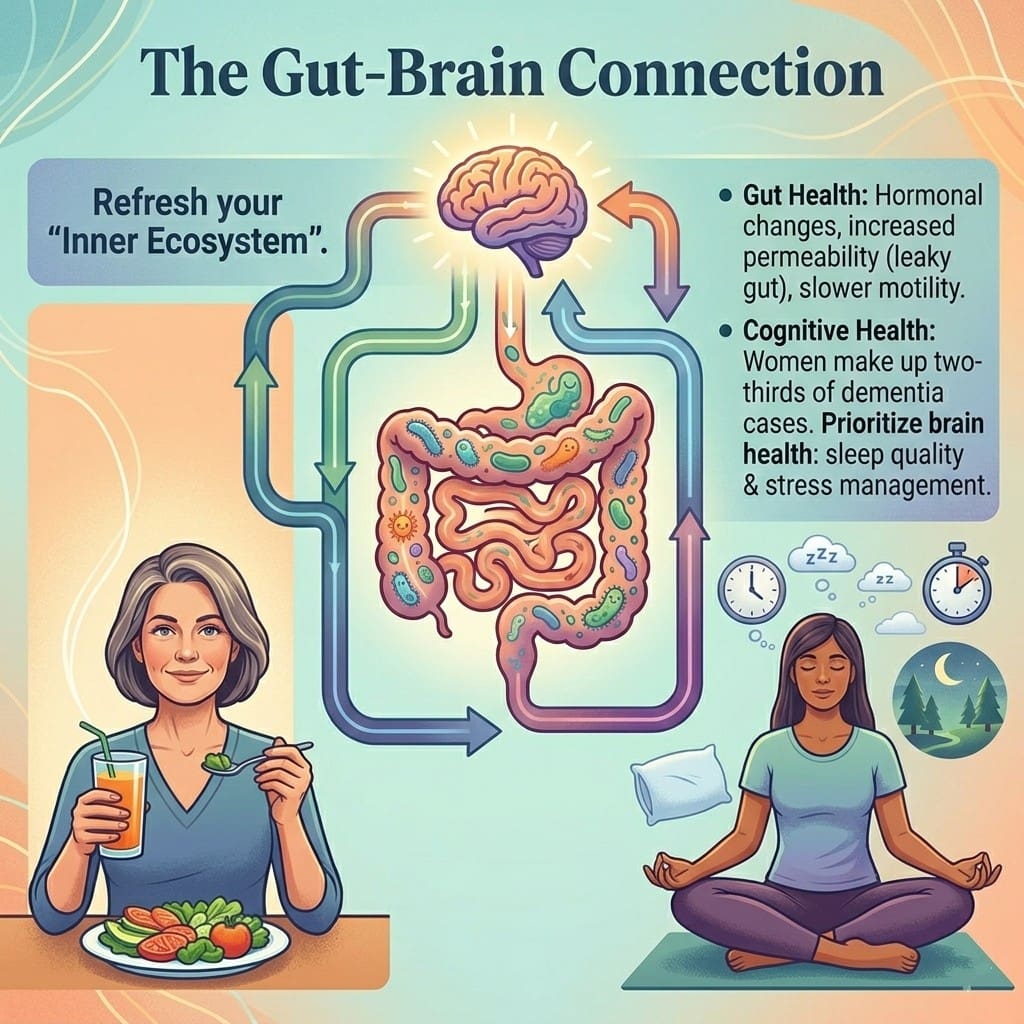
Our “Inner Ecosystem” also requires a refresh. Many of us find that we simply cannot eat the way we did in our 30s and expect to feel the same.
- Gut Health: Hormonal changes can lead to increased intestinal permeability (leaky gut) and slower motility.
- Cognitive Health: Did you know that women make up two-thirds of dementia cases? This is why we need to prioritise brain health, with a specific focus on sleep quality and stress management. When we support the gut, we support the microbiome-gut-brain-axis.
Navigating this transition requires a village of expertise. I believe this stage of life is an invitation to deeper self-knowledge.
I help women navigate this transition through:
- Precision Testing —from functional hormone panels and adrenal assessments to deep-dives into your microbiome, cardiovascular and cellular health—we move beyond guesswork. I can support you with a combination of botanical and dietary protocols designed for brain function and oestrogen metabolism, alongside prescription medication where required.
- Connection to allied health practitioners – whether you’re interested in trying the new wave of hormones, or curious about how Acupuncture, Kinesiology or bodywork like remedial massage and Osteopathy, I have a wide network of experts to refer you to.
This International Women’s Day, let’s celebrate how far we’ve come and commit to the health we deserve for the decades ahead.